Data wiping and data destruction are two distinct methods used to protect sensitive information from unauthorised access. While data wiping focuses on making data irretrievable without damaging the storage device, data destruction involves the complete physical or digital obliteration of the data and the medium it resides on. This article explores these methods in detail, highlighting their benefits and ideal use cases to guide businesses in choosing the right approach for secure data management.
Introduction
In today’s digital landscape, protecting sensitive data has become more critical than ever. Two widely used methods to ensure data security are data wiping and data destruction. Although they might sound similar, these techniques serve different purposes and are used in different scenarios depending on the level of security required. Understanding the distinctions between data wiping and data destruction is crucial for businesses and individuals looking to manage their digital information securely.
Data wiping focuses on rendering data completely unreadable while allowing the storage medium to be reused. In contrast, data destruction involves completely destroying the medium itself to ensure data can never be recovered. This introduction will guide you through the key differences, benefits, and use cases of each method, providing you with a clearer understanding of which approach is best suited for your data protection needs.
Understanding Data Wiping
What is Data Wiping?
Data wiping is a secure method of erasing data from storage devices in a way that ensures the information cannot be reconstructed or retrieved. Unlike standard deletion processes, which only remove pointers to the data, data wiping involves overwriting the data with random patterns of zeros, ones, or other characters multiple times, rendering it completely irrecoverable.
Data wiping is widely used in scenarios where the storage device will be reused, such as in corporate environments when upgrading hardware or when devices are being resold or repurposed. This method helps organisations maintain compliance with data protection regulations, like the General Data Protection Regulation (GDPR) or the Health Insurance Portability and Accountability Act (HIPAA), which require that sensitive information be securely erased to prevent data breaches.
The effectiveness of data wiping largely depends on the method and the number of overwrite passes used. It is crucial for businesses to choose a reliable data wiping solution to ensure that sensitive data remains secure, even when storage devices are recycled or transferred to different users.
Methods of Data Wiping
Several methods can be employed for data wiping, each offering a different level of security:
- Single-Pass Overwriting: This basic method involves overwriting the data with a pattern of zeros or random characters once. It’s a fast method suitable for less sensitive data.
- Multi-Pass Overwriting: For more secure erasure, data is overwritten multiple times with different patterns. Common standards like the DoD 5220.22-M require at least three passes to ensure that data is thoroughly wiped.
- Degaussing: This method uses a strong magnetic field to disrupt the magnetic domains on a storage device, making the data inaccessible. Degaussing is highly effective but only works on magnetic media like hard drives and tapes.
- Cryptographic Erasure: Data is encrypted first and then the encryption key is securely deleted, making the data impossible to decrypt. This method is often used in modern systems where data encryption is already in place.
Choosing the right method depends on the sensitivity of the data and the need for compliance with data security standards.
Exploring Data Destruction
What is Data Destruction?
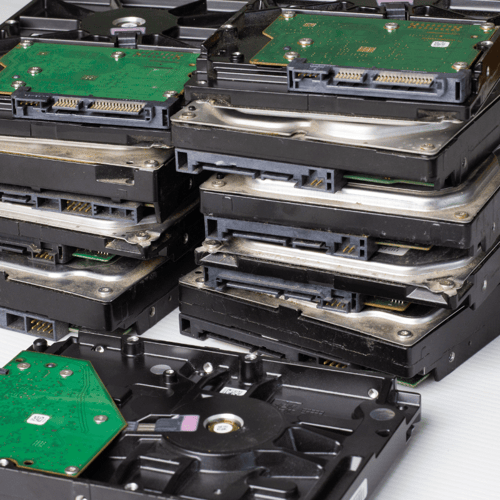
Data destruction is a comprehensive approach to erasing data by completely destroying the storage medium itself, making any recovery attempts impossible. This method is often used for devices that have reached the end of their lifecycle, especially when they contain highly sensitive or classified information that must not fall into the wrong hands.
Unlike data wiping, which allows the device to remain functional for future use, data destruction typically renders the device unusable. This is why data destruction is often the last resort for hardware disposal, chosen when data wiping cannot provide the required level of security or when regulations dictate absolute data elimination.
Data destruction is essential for industries that handle extremely confidential information, such as government agencies, financial institutions, and healthcare providers. It ensures that no data remnants can be reconstructed, thus protecting against data breaches and safeguarding sensitive information even after the device is discarded.
Techniques for Data Destruction
Several techniques are used to achieve effective data destruction:
- Physical Shredding: This involves mechanically shredding the storage devices into small pieces, ensuring that no part of the device remains intact enough to retrieve data from.
- Incineration: By burning the storage devices, incineration completely melts down all components, ensuring that any stored data is obliterated beyond recovery.
- Chemical Dismantling: Chemicals are used to dissolve the materials in the storage device, effectively breaking down the device’s components and eliminating data storage capabilities.
- Pulverising: Similar to shredding, pulverising breaks the device into even finer particles. This method is often employed for devices that require thorough destruction to meet strict security standards.
These methods are highly effective in ensuring that sensitive information is permanently destroyed, meeting the needs of businesses that require absolute data confidentiality.

Comparison of Data Wiping and Data Destruction
When choosing between data wiping and data destruction, it’s essential to understand the core differences and the circumstances in which each method is most appropriate. Data wiping is ideal for situations where the goal is to securely remove data without damaging the hardware, allowing the storage device to be reused. This method is cost-effective and environmentally friendly, as it extends the life of the device.
Data destruction, on the other hand, offers a more secure solution for highly sensitive data by physically destroying the device to prevent any possibility of data recovery. This method is best suited for organisations that cannot risk even the slightest chance of data leakage, such as those in government, finance, or healthcare sectors dealing with confidential information.
| Criteria |
Data Wiping |
Data Destruction |
| Method |
Overwrites data multiple times with random patterns to make it unreadable. |
Physically destroys the storage device to ensure data cannot be recovered. |
| Cost |
Generally less costly since it does not require new equipment. |
More expensive due to the need for specialised equipment and processes. |
| Environmental Impact |
Environmentally friendly as it allows the reuse of devices. |
Less eco-friendly due to the destruction of hardware components. |
| Security Level |
High level of security but not suitable for the most sensitive data. |
Maximum security, ideal for classified and sensitive information. |
| Device Usability |
Device remains usable for future operations. |
Device becomes unusable after the process. |
The primary advantage of data wiping is that it is less costly and supports the reuse of valuable technology, which aligns with sustainability initiatives. However, it may not always provide the level of security required for the most sensitive information. Data destruction, while more resource-intensive and expensive, offers unparalleled security by ensuring that data is completely irretrievable.
The decision to use data wiping or data destruction should be guided by the data’s sensitivity, compliance requirements, and whether the storage medium can or should be reused. Understanding these factors will help organisations make informed choices that align with their data protection strategies and regulatory obligations.
What Kefron Offers
Kefron specialises in delivering secure and comprehensive data wiping and data destruction services, ensuring that sensitive information is permanently removed from all data-bearing devices. These services are designed to help businesses securely handle their data throughout the IT asset lifecycle, from initial data sanitisation to final disposal.
-
Data Wiping Services
Kefron employs industry-leading technology, including certified data erasure tools like Blancco, to perform thorough data wiping. This method ensures that all traces of information are completely overwritten on devices, making the data irrecoverable while allowing the hardware to be repurposed or resold. Data wiping is the ideal solution for organisations that wish to maintain sustainability by extending the lifecycle of their IT assets without compromising on data security.
-
Data Destruction Services
For data that requires the highest level of security, Kefron offers both onsite and offsite data destruction services. This includes secure hard drive shredding and incineration, which physically destroys the storage devices, ensuring that no data can be retrieved. These methods are perfect for businesses dealing with highly sensitive or classified information that must be permanently eliminated. Kefron’s data destruction services are fully compliant with international standards, giving you the assurance that your data is irretrievably destroyed and that your organisation remains protected against potential breaches.
Kefron’s commitment to data security extends to full traceability, with detailed audit trails and documentation for every asset processed. By choosing Kefron for data wiping and destruction, you ensure that your sensitive information is handled with the utmost care and in strict adherence to regulatory compliance, while also supporting your organisation’s sustainability goals.
Conclusion
Data wiping and data destruction are essential strategies for protecting sensitive information in today’s digital landscape. Data wiping allows businesses to securely erase information while reusing or reselling their devices, making it a cost-effective and eco-friendly solution. Data destruction, on the other hand, offers the most robust protection for highly sensitive data by physically destroying the storage media, leaving no possibility of data recovery.
Kefron provides both these services with a focus on security, compliance, and sustainability. Their data wiping and destruction solutions ensure that your organisation can manage sensitive data effectively, reducing risks while also supporting environmental goals. By partnering with Kefron, you gain the peace of mind that your data is secure and that your IT asset disposal aligns with the highest standards in data protection and sustainability.