This article explores how Irish organisations can lower their IT carbon footprint through IT recycling, secure data destruction, and sustainable IT practices. It details the environmental impact of e-waste, the lifecycle of IT equipment, and best practices for IT asset disposal (ITAD). Certified providers like Kefron enable businesses to act responsibly and support a circular economy in Ireland.
Introduction: The Environmental Impact of IT and the Need for IT Recycling
Modern life relies on Information Technology (IT) in every sector, from education and healthcare to finance and logistics. Yet, behind this digital convenience lies a growing environmental concern. According to research, the IT industry currently contributes around 2% of global CO2 emissions and over 10% of global energy consumption. Beyond energy use, the carbon cost of manufacturing and discarding electronic devices adds significantly to our collective environmental footprint.
IT recycling plays a key role in reducing this impact. By adopting responsible practices for IT asset disposal and data destruction, organisations in Ireland can help cut emissions, preserve valuable resources, and transition towards a more sustainable IT ecosystem. This blog outlines how businesses can reduce their IT carbon footprint by embracing responsible IT recycling, sustainable IT practices, data destruction, and IT asset disposal.
Understanding the Carbon Cost of E-Waste
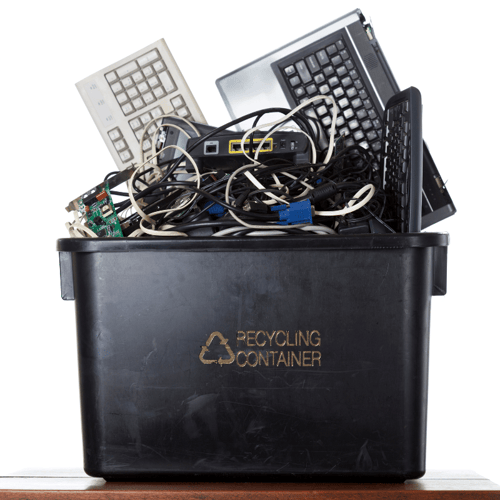
Electronic waste (e-waste) includes any discarded electronic device with a plug or battery. Globally, e-waste is expected to hit 74.7 million tons by 2030. This growing mountain of devices is not only a waste of materials but a driver of harmful emissions.
Improper e-waste disposal, such as dumping in landfills or incineration, releases methane, CO2, and other pollutants. It also perpetuates the demand for new devices, driving energy-intensive mining and manufacturing.
Certified IT recycling and secure data destruction mitigate these risks. Responsible IT recycling ensures valuable materials are recovered, hazardous components are safely handled, and sensitive data is securely destroyed.
Mapping the IT Equipment Lifecycle: Carbon Hotspots and Recycling Opportunities
To cut your IT carbon footprint, it’s vital to understand emissions across the IT equipment lifecycle:
- Raw Material Extraction: Mining rare earth elements and metals is resource-intensive.
- Manufacturing: Producing components like circuit boards is highly energy-demanding.
- Transport: Shipping materials and devices adds to emissions.
- Usage: Electricity consumption during device operation (especially servers).
- End-of-life: Disposal practices determine whether materials are lost or reused.
Lifecycle analysis shows that manufacturing dominates the footprint for devices like laptops, while usage is the main contributor for servers. Therefore, prolonging device lifespans and choosing IT recycling at end-of-life is essential for sustainable IT operations.
Best Practices for Responsible IT Asset Disposal and Data Destruction
1. Establish a Formal ITAD Policy: Define clear procedures for IT asset tracking, secure data destruction, vendor selection, and regulatory compliance.
2. Track and Inventory IT Assets: Use asset management tools to monitor hardware from acquisition to disposal.
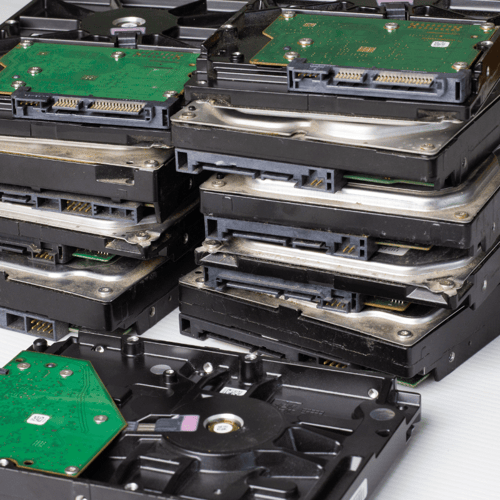
3. Prioritise Secure Data Destruction: Comply with NIST, DoD, or GDPR standards. Use certified tools for data wiping, degaussing, or physical destruction.
4. Choose Certified ITAD Partners: Look for R2 or e-Stewards certification to ensure responsible and secure IT recycling.
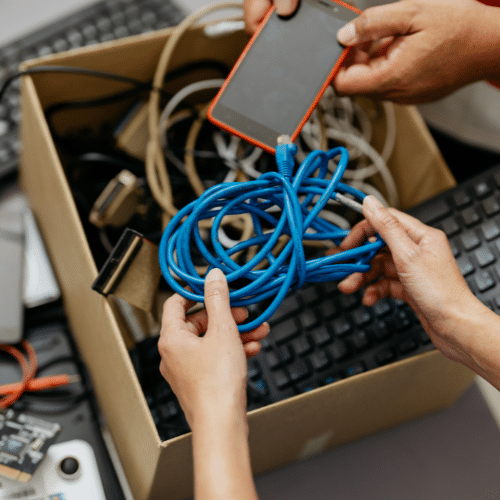
5. Embrace Reuse Before Recycling: Refurbish and remarket functional equipment to extend its lifespan and reduce emissions.
6. Ensure Environmentally Sound Recycling: Work with recyclers that recover materials responsibly and handle hazardous waste safely.
7. Document the ITAD Process: Keep audit trails, certificates of destruction, and recycling documentation.
8. Train Employees: Educate staff on correct ITAD processes to encourage sustainable behaviour.
Why Choose Kefron for Sustainable IT Asset Disposal
Organisations in Ireland can rely on Kefron for certified, secure, and compliant IT asset disposal and IT recycling services. Kefron offers:
- Environmentally responsible disposal of IT equipment
- Full compliance with WEEE regulations
- Secure data destruction services
- Chain-of-custody reporting
- Circular economy support through reuse and material recovery
Choosing Kefron ensures your e-waste is handled responsibly, supporting both your sustainability goals and data protection obligations.
Refurbishment & Reuse: Supporting Sustainable IT Through Circular Practices
Refurbishing IT hardware avoids the emissions associated with manufacturing new devices. Extending a laptop’s lifespan by just one year can cut emissions by up to 30% (McKinsey).
Organisations can also:
- Donate refurbished equipment to charities or schools
- Resell devices through certified partners
- Establish internal refurbishment processes
Extending the Lifespan of IT Equipment: A Core Component of Sustainable IT
- Clean devices regularly to prevent overheating
- Upgrade components (e.g., SSDs, RAM)
- Manage power settings and avoid battery overuse
- Store and transport devices safely
- Encourage software updates and efficient usage
Extending device lifespan by even 50% can reduce total emissions by 10-25%, making this a vital strategy in reducing your IT carbon footprint and supporting sustainable IT practices.
Navigating WEEE Compliance in Ireland
In Ireland, organisations must comply with the WEEE Regulations 2014, including:
- Free take-back of old devices when purchasing new ones
- Responsible disposal through approved schemes (e.g., WEEE Ireland)
- Proper disposal of batteries and hazardous components
Use resources like epa.ie and weeeireland.ie for guidance.
Conclusion: Why IT Asset Disposition is Essential for Sustainability
Adopting responsible IT recycling practices allows Irish organisations to lower emissions, reduce costs, and comply with environmental laws. From secure data destruction to certified IT asset disposal, every step towards sustainable IT makes a meaningful impact.
By embracing refurbishment, reuse, and certified recycling partners like Kefron, organisations contribute to a circular economy—minimising waste, preserving resources, and setting a benchmark for sustainable business in Ireland.