This blog explores the unseen risks and strategic value of old electronics recycling in Ireland. It highlights the need for secure data destruction, GDPR and WEEE compliance, and environmental accountability. Discover how ITAD services help protect businesses from breaches and fines, while unlocking revenue and advancing sustainability goals across the enterprise.
Why Old Electronics Recycling Is Critical for Irish Businesses
In an era of rapid digital transformation, Irish businesses are constantly refreshing their IT infrastructure. This cycle of upgrades brings with it a pressing responsibility: how to manage old electronics securely and sustainably.
Failing to address the risks associated with outdated devices, such as data breaches, regulatory fines, environmental damage, and lost economic value, can result in serious consequences. However, by embracing old electronics recycling as part of a secure, compliant, and forward-thinking IT strategy, organisations can turn risk into reward.
Cybersecurity Threats and Secure Data Destruction
The Cyber Attack Landscape in Ireland
According to the Hiscox Cyber Readiness Report 2024, 74% of Irish businesses faced cyberattacks, averaging more than one attack per week. These breaches are not just digital, they can originate from old electronics and IT assets that were not properly wiped, reset, or destroyed.
Why Secure Data Destruction Matters
Think deleting files or a factory reset protects you? Think again. Data remains recoverable unless proper secure data destruction techniques are used. Human-I-T confirms that deleted files are still accessible without advanced sanitisation.
Without secure erasure, sensitive corporate information, including client details, HR records, and intellectual property, can fall into the wrong hands, resulting in business loss, compliance issues, or legal proceedings.
Real Case Study: Eir Data Breach
In 2018, Eir exposed 37,000 customers’ data due to an unencrypted stolen laptop. This is not an isolated incident. Laptops and other devices are lost or stolen every 53 seconds globally.
Cost of a breach:
- £10,830 per breach in UK medium and large firms (UK Gov, 2024)
- $3.92 million globally (Ponemon Institute)
- 279 days to detect and resolve
Secure data destruction is essential in avoiding these threats. It is a fundamental part of any ITAD service and should be a non-negotiable aspect of old electronics recycling strategies.
Legal Compliance: ITAD Services and Regulatory Requirements
GDPR and Data Disposal Obligations
GDPR requires businesses to ensure personal data is disposed of securely and permanently. The Irish Data Protection Commission (DPC) issued a record €1.2 billion fine to Meta and continues aggressive enforcement.
Emerging Risk: Some regulators are exploring personal liability for directors. This adds an individual-level risk to C-level and board executives and highlights the importance of certified ITAD services that guarantee secure data destruction.
WEEE Directive and E-Waste Recycling in Ireland
Ireland has some of Europe’s strictest WEEE enforcement policies:
| Offence |
Potential Penalty |
| Improper equipment disposal |
€500,000 or 3 years imprisonment |
| No signage or non-registration |
€500 to €2,000 Fixed Penalty |
| Back-dated compliance |
Tens of thousands in fees |
(Source: EPA Ireland)
Proper e-waste recycling in Ireland is not just best practice, it is a legal requirement. Integrating old electronics recycling into your IT policies protects against fines and reputational risk.
Environmental Impact of Old Electronics and E-Waste in Ireland
Ireland’s E-Waste Performance
Ireland generated 15.7 million tonnes of waste in 2022. But only 43.6% of Waste Electrical and Electronic Equipment (WEEE) was collected in 2023, far below the EU’s 65% target (EPA).
Key concerns:
- Younger people are more likely to bin small electronics
- Toxic legacy of improper disposal includes lead, mercury, cadmium
- Improper recycling methods release dioxins and carcinogens
The solution? Greater public and corporate awareness and commitment to old electronics recycling and e-waste recycling in Ireland.
Public Health Hazards from Poor Recycling
Risks of e-waste pollution:
- Neurological damage
- Respiratory illness
- Endocrine disruption
- Cancer
Improper handling of e-waste threatens both human health and the environment. Certified ITAD services help ensure safe and environmentally responsible disposal practices.
Unlocking Value Through Old Electronics Recycling
Economic Benefits of ITAD Services
Old laptops, tablets, and servers often contain high-value components such as RAM, SSDs, and CPUs that can be recovered and reused. Even cosmetically damaged or incomplete units can hold resale value.
According to Kefron, resale through ITAD services can:
- Offset new tech investments
- Stretch IT budgets
- Support the circular economy
- Generate income through old electronics recycling
Remarketing and the Circular Economy
Certified ITAD services assess and refurbish equipment:
- Reintroduce internally
- Donate to schools or charities
- Resell through verified channels
This approach enables:
- Reduction of electronic waste
- Support for sustainability targets
- A measurable ESG impact
Secure ITAD Best Practices for Irish Businesses
Certified ITAD providers use industry-standard and advanced data destruction methods that meet global compliance frameworks such as NIST SP 800-88 and ISO 27001. These methods are tailored to the type of media, data sensitivity, and regulatory requirements:
- Data Overwriting (Software-Based Sanitisation): This method uses secure erasure software to overwrite existing data with a series of binary patterns (zeroes, ones, or random sequences). It is ideal for re-usable drives and allows for data recovery verification.
- Degaussing: Magnetic media like hard disk drives and backup tapes are exposed to a powerful magnetic field, effectively disrupting and eliminating stored data. However, this renders the device permanently unusable.
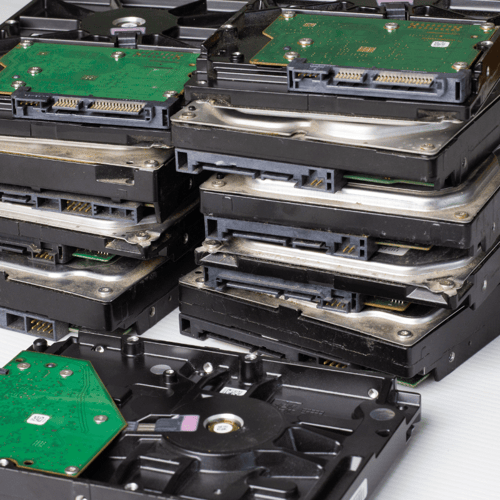
- Physical Destruction: Devices are mechanically shredded, crushed, or drilled to destroy data-bearing components such as platters and chips. This is often combined with other methods for high-security applications.
- Cryptographic Erasure: Encrypted drives have their encryption keys deleted. Without the key, the encrypted data becomes mathematically unrecoverable. It is fast, effective, and suitable for modern SSDs.
Each method should be selected based on device type, data classification, and desired reuse or destruction outcome. Certified providers typically offer documentation of compliance and verification reports for each process.
Certifications That Matter
For assurance of compliance and data security, businesses should partner only with ITAD providers holding recognised industry certifications:
- R2 (Responsible Recycling): Ensures environmentally responsible recycling practices and data sanitisation protocols.
- e-Stewards: Verifies that e-waste is not exported to developing countries and is processed in ethical, secure, and sustainable ways.
- NAID AAA Certification: Validates that the provider meets rigorous standards for data destruction, including employee screening, access control, and audit procedures.
These certifications offer verified evidence that your partner upholds best practices in e-waste recycling in Ireland, ensuring data privacy, regulatory compliance, and complete traceability from asset pickup to final processing.
Developing a long-term, sustainable ITAD strategy enables organisations to align their technology practices with broader operational, environmental, and regulatory goals. Effective future-proofing goes beyond compliance and extends into corporate culture, procurement, and infrastructure planning.

Policy and Lifecycle Management
A robust ITAD policy should define clear lifecycle procedures from procurement through to disposal. Key areas to address include:
- Asset Tracking: Maintain real-time visibility into all IT assets using inventory management systems.
- End-of-Life Planning: Establish timelines and criteria for decommissioning hardware based on performance, support status, and risk.
- Chain of Custody Documentation: Ensure verifiable tracking and handover procedures for all old electronics to prevent data loss and ensure compliance.
- Vendor Accountability: Select ITAD partners with transparent processes, service-level agreements, and secure logistics protocols.
By embedding these procedures into IT governance, companies can reduce compliance risk, optimise asset value, and streamline auditing processes.
Staff Training and Awareness
Human error is often the weakest link in IT asset security. A strong ITAD strategy includes ongoing training to embed awareness across departments. Focus areas should include:
- Disposal Protocols: Train staff on correct disposal and data protection procedures for old electronics.
- Value of Certified ITAD Services: Educate employees on how professional ITAD partners ensure security, compliance, and environmental responsibility.
- Sustainability Ownership: Reinforce how individual behaviours contribute to wider ESG goals and the company’s environmental impact.
Empowered employees are the front line of a secure and sustainable ITAD culture. When staff understand the risks and rewards, they are more likely to act responsibly and reinforce policy.
ESG Integration and Reporting
Corporate responsibility requires measurable action. Old electronics recycling, secure data destruction, and e-waste recycling in Ireland all contribute to sustainability reporting and ISO certification goals.
Key Takeaways: Make Old Electronics Recycling a Priority
| Challenge |
Solution |
Benefit |
| Data Breaches |
Secure data destruction |
Reduce risk and protect stakeholders |
| Legal Non-Compliance |
Certified ITAD services |
Avoid fines and legal issues |
| Environmental Damage |
E-waste recycling in Ireland |
Meet sustainability targets |
| Missed ROI |
Old electronics resale |
Recover costs and support ESG goals |
| Operational Burden |
Certified partners |
Free up IT and compliance resources |
Final Thoughts: Take Action on Old Electronics Recycling
Old electronics recycling is not only a compliance and security concern, it is an opportunity to create value, protect the planet, and lead on sustainability.
By leveraging certified ITAD services, committing to secure data destruction, and investing in e-waste recycling in Ireland, businesses can future-proof operations and earn stakeholder trust.