Explore IT recycling and office equipment recycling to meet sustainability goals while ensuring data security and regulatory compliance. Learn about certified IT asset disposition (ITAD) services, sustainable disposal practices, and contributions to the circular economy. Unlock the benefits of secure, environmentally responsible recycling for your business with expert insights.
The Importance of IT Recycling and Office Equipment Recycling
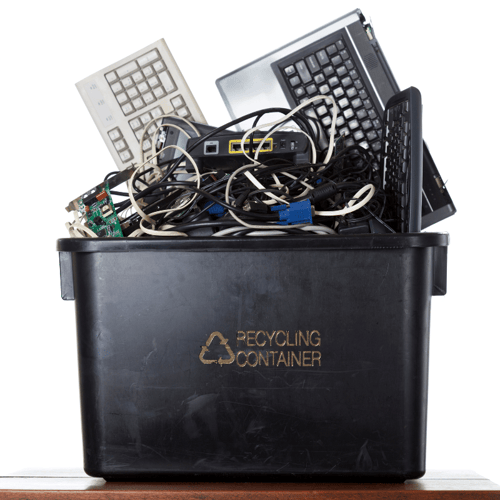
In today’s fast-paced business environment, IT recycling and office equipment recycling are no longer optional—they are essential practices for companies aiming to meet sustainability goals and protect sensitive data. From outdated laptops to printers and copiers, businesses generate significant amounts of e-waste that require responsible management.
Adopting best practices in electronics recycling helps reduce environmental harm, ensures compliance with regulations like WEEE, and promotes efficient resource use. Similarly, office equipment recycling enables businesses to minimize waste while contributing to a circular economy. This guide outlines actionable strategies to manage electronic waste effectively. The world generated approximately 62 million metric tons of e-waste in 2022, a figure expected to reach 82 million metric tons by 2030. This highlights the urgent need for businesses to adopt IT recycling practices to reduce environmental harm and comply with regulations like WEEE.
Best Practices for Disposing of Computer Equipment
Disposing of computer equipment responsibly is crucial for environmental protection and data security. The average total cost of a data breach is $3.62 million, or $141 per lost record. Companies should:
- Evaluate Reuse Options: Donate or refurbish equipment that is still functional.
- Partner with Certified Recyclers: Certified providers handle hazardous materials safely and ensure compliance with environmental regulations. Certified providers not only handle hazardous materials responsibly but also contribute to preventing millions of tonnes of CO₂ emissions through proper recycling.
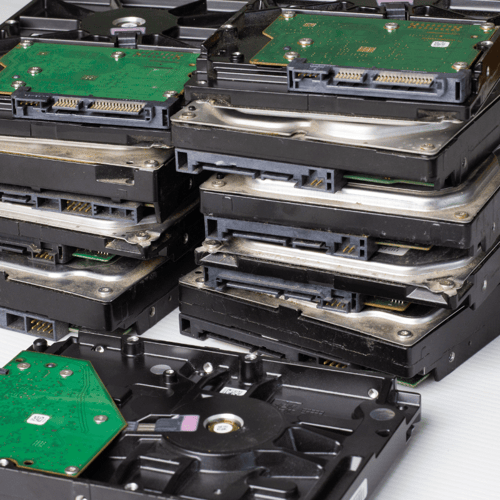
- Securely Manage Data: Use software to wipe sensitive data or opt for hard drive shredding services, like those offered by Kefron ITAD.
Certified recycling services, such as Kefron’s, provide comprehensive solutions to manage old technology responsibly. These services also include recycling peripherals like monitors, keyboards, and printers as part of a broader equipment recycling strategy.
How to Dispose of Old Computer Systems Safely and Responsibly
Disposing of old computer systems combines secure data management with environmentally conscious practices. Start by wiping all sensitive information using certified data destruction tools. For organizations requiring maximum security, IT asset disposition (ITAD) providers like Kefron offer hard drive shredding and certified destruction services.
Once data is secure, determine which components can be refurbished or recycled. Commonly recyclable parts include hard drives, memory, and motherboards. For a sustainable approach, partner with certified IT recycling services that meet WEEE regulations and ensure environmentally friendly disposal.
Comparison Table: IT Recycling vs. Office Equipment Recycling
| Aspect |
IT Recycling |
Office Equipment Recycling |
| Scope |
Computers, servers, storage media |
Printers, copiers, and furniture |
| Key Focus |
Data security, compliance |
Reducing bulk waste and repurposing |
| Methods |
Hard drive shredding, refurbishment |
Material recycling, reusing components |
| Environmental Impact |
Reduces e-waste, recycles metals |
Supports a circular economy |
What Technology Components Can Be Recycled?
Technology recycling extends beyond computers and involves various materials and components. Recyclable items include:
- Metals: Precious metals like gold, silver, and copper are extracted from circuit boards and connectors.
- Plastics: Recovered plastics from casings can be repurposed for new products.
- Batteries: Lithium-ion batteries from laptops and mobile devices are recycled to recover valuable chemicals.
- Screens: LCD and LED screens undergo special recycling processes to extract materials like glass and metals.
Non-recyclable components, such as certain adhesives or mixed-materials, must be disposed of in compliance with environmental standards. Certified office equipment recycling providers ensure all materials are handled responsibly, reducing landfill waste.
Office Equipment Recycling Beyond IT Systems
While IT recycling focuses on technology like computers and servers, other IT equipment recycling encompasses a broader range of items, including printers, copiers, and even office furniture. These items, though often overlooked, contribute significantly to waste generation and require sustainable disposal solutions. In the UK, 10,371 metric tons of IT and telecom equipment were collected in Q3 2023 under WEEE.
Office equipment such as multifunction printers and fax machines often contain recyclable components like metal frames, plastic housings, and electronic parts. Partnering with certified recycling services ensures compliance with regulations and supports a circular economy. Businesses can also explore donation or refurbishment options for furniture and electronics in good condition, further extending their lifecycle and reducing waste.
Why Kefron ITAD Services Are the Smart Choice
For businesses looking to simplify their electronics recycling and asset management, Kefron’s IT Asset Disposition (ITAD) services offer a trusted, comprehensive solution. From secure data destruction to compliance with environmental regulations, Kefron’s ITAD services ensure safe and efficient disposal of obsolete technology.
Kefron provides industry-leading IT Asset Disposal (ITAD) services designed to help businesses securely and sustainably manage their IT asset recycling. Our services focus on the highest standards of data protection, environmental responsibility, and compliance with regulations. Choosing Kefron ensures that your IT asset disposal aligns with your data security and sustainability goals while maximising the value of your retired technology.
Core IT Asset Disposal, ITAD, and IT Asset Recycling Services
- IT Asset Recycling and Disposal: Comprehensive management of retired IT equipment, ensuring secure, compliant processes from collection to final disposal.
- WEEE Recycling: Adherence to strict WEEE regulations to recycle IT equipment responsibly, reducing landfill waste and supporting your environmental goals.
- Hard Drive Shredding: On-site hard drive shredding services that ensure complete destruction of data-bearing devices, eliminating data breach risks.
- Secure Data Destruction: Utilising advanced technology for permanent data erasure or shredding, safeguarding your sensitive information and ensuring regulatory compliance.
- IT Equipment Resale: Maximising the value of your retired IT assets through refurbishment and resale, turning potential waste into financial returns for your business.
- Refurbished IT: Extending the lifecycle of IT equipment with refurbishment, providing a cost-effective and eco-friendly alternative that supports your sustainability objectives.
By choosing Kefron, businesses gain peace of mind knowing their sensitive data is protected, and their environmental goals are supported. This makes Kefron ITAD the ideal partner for integrating electronics recycling strategies.

How ITAD Services Support Compliance and Sustainability Goals
IT asset disposition (ITAD) services are essential for businesses aiming to excel in IT recycling and office equipment recycling while meeting regulatory and sustainability standards. ITAD providers like Kefron ensure secure data destruction, compliant disposal, and efficient recycling of obsolete technology.
By integrating ITAD into your operations, you can:
- Enhance IT recycling efforts with certified processes that recover valuable materials like metals and plastics.
- Expand sustainability practices through office equipment recycling, addressing items such as printers, copiers, and other non-IT assets.
- Meet compliance requirements under GDPR, WEEE, and other regulations, safeguarding your data and reputation.
Kefron’s ITAD services uniquely combine secure data management, sustainability, and value recovery, making it easier for businesses to align IT recycling strategies with their broader ESG goals.
Building a Sustainable Office Through Recycling
Creating a sustainable office environment starts with embedding IT recycling into your company’s operational strategy. Outdated devices such as laptops, desktops, and servers should be recycled using certified IT asset disposition (ITAD) services to ensure secure data destruction and environmentally responsible disposal.
Incorporating recycling into your sustainability plan extends beyond IT devices. By responsibly managing items like printers, copiers, and office furniture, businesses can significantly reduce waste and contribute to a circular economy. Together, these practices demonstrate your commitment to sustainability, regulatory compliance, and resource conservation.
Overcoming Challenges in IT and Office Equipment Recycling
While IT recycling and office equipment recycling offer numerous benefits, businesses often face challenges such as data security concerns, regulatory compliance, and logistical complexities. Sensitive information stored on hard drives or devices poses a significant risk if not handled properly.
To address these challenges:
- Work with certified ITAD providers like Kefron, which guarantee secure data destruction and adherence to GDPR.
- Leverage WEEE-compliant recycling services to ensure all materials are processed responsibly.
- Develop internal workflows for categorizing and managing recyclable items to streamline the process.
By proactively addressing these obstacles, businesses can integrate recycling into their operations seamlessly, mitigating risks and maximizing environmental benefits.
Future Trends in IT and Office Equipment Recycling
The landscape of IT recycling is evolving rapidly, with technological advancements driving innovative solutions. Trends such as AI-driven sorting and advanced material recovery systems are enhancing recycling efficiency, making it easier for businesses to recover valuable components.
Another significant trend is the rise of cloud computing, which reduces the need for physical IT infrastructure. As companies transition to cloud-based systems, ITAD services will play a crucial role in managing and recycling legacy hardware. Businesses that stay ahead of these trends by adopting sustainable practices and working with forward-thinking ITAD providers like Kefron will position themselves as industry leaders in sustainability.
Driving Sustainability Through Recycling
As businesses navigate the challenges of a rapidly evolving digital landscape, adopting sustainable practices is no longer optional — it’s essential. By integrating certified IT asset disposition (ITAD) services into your operations, you can ensure secure data management, regulatory compliance, and environmentally responsible disposal of obsolete technology.
Recycling your IT assets and office equipment not only helps reduce e-waste but also supports a circular economy by giving old devices new life. Partnering with trusted providers like Kefron ensures your organisation maximises value while minimising its environmental footprint.By prioritising sustainability in asset disposal, businesses can align with ESG goals, protect their reputation, and pave the way for a greener, more responsible future. The time to act is now—start your journey towards sustainable IT and office equipment management today.
____________________
Author: Angeline McGuirk
Angelina, a seasoned professional with nearly 20 years of experience, specialises in IT Asset Disposition (ITAD), sustainability, and compliance. She is dedicated to helping organisations adopt sustainable practices through secure and efficient IT asset disposal, contributing to the circular economy. With a strong focus on environmentally responsible solutions, Angelina ensures organisations achieve compliance while minimising their environmental impact.