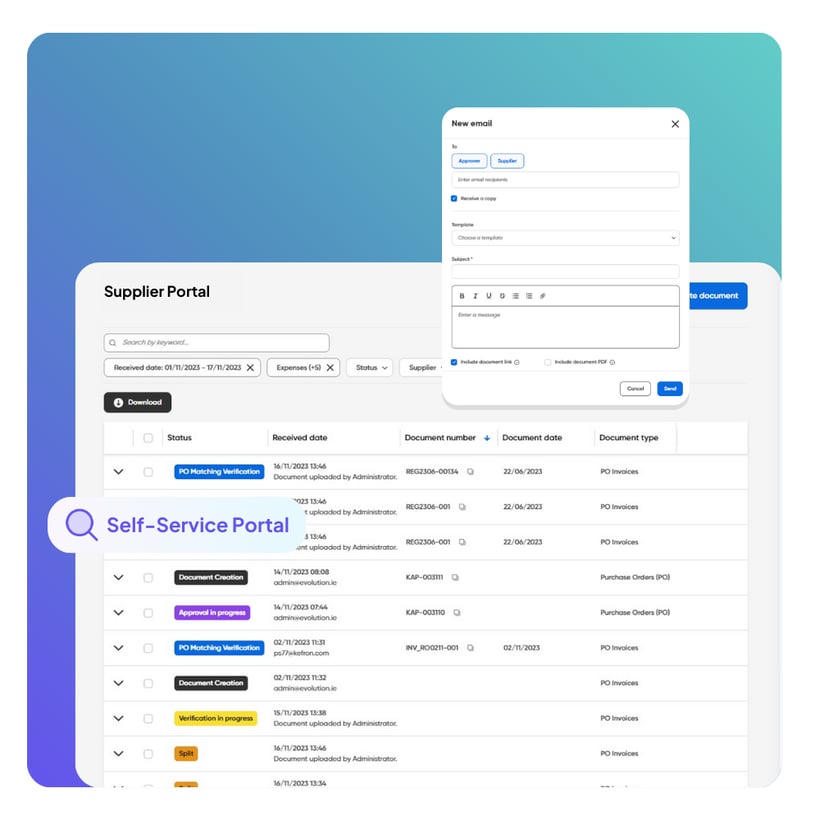
In the fast-paced world of business, managing supplier invoices efficiently is crucial for maintaining strong supplier relationships and safeguarding your brand’s reputation. Many businesses struggle with delayed payments and lost invoices, which can severely impact their operations. This article delves into why investing in a smart Accounts Payable (AP automation) solution, particularly a supplier portal, can transform your supplier management process, save time and money, and elevate your customer service.
As businesses continue to grow and expand, the volume of supplier invoices increases, making manual processes inefficient and error-prone. The integration of AP automation and supplier portals provides a seamless and efficient solution to these challenges. By leveraging technology, businesses can streamline their invoice processing, reduce errors, and enhance overall operational efficiency. In this comprehensive guide, we will explore the various aspects and benefits of supplier portals and AP automation, and why they are essential for modern businesses.
The Consequences of Poor Supplier Invoice Management
Delayed payments can severely impact supplier relationships. Suppliers depend on timely payments to manage their own cash flow and operations. When businesses fail to pay on time, it disrupts the suppliers’ financial stability, causing strain in professional relationships. Additionally, poor invoice management can lead to discrepancies and disputes, further damaging trust. This not only affects current supplier relationships but also impacts your ability to negotiate favourable terms with new suppliers.
Non-compliance with regulatory requirements poses significant financial risks. In the UK, large companies must report their payment practices biannually. Failure to comply can result in hefty fines and damage to your reputation. Moreover, the interest rates on late payments in Ireland have been revised to 8% per annum, further increasing the financial burden on businesses that do not manage their supplier invoices efficiently. Thus, companies must take proactive steps to overcome these challenges, including investing in seamless invoice systems with user-friendly AP automation and a supplier portal.
Impact on Supplier Relationships and Brand Image
Delayed payments can severely impact supplier relationships. Suppliers depend on timely payments to manage their own cash flow and operations. When businesses fail to pay on time, it disrupts the suppliers’ financial stability, causing strain in professional relationships. Additionally, poor invoice management can lead to discrepancies and disputes, further damaging trust. This not only affects current supplier relationships but also impacts your ability to negotiate favourable terms with new suppliers.
Regulatory Compliance and Financial Risks
Inefficiencies in invoice processing can also lead to increased operational costs. Manual processes are time-consuming and require significant labour resources, which can be costly for businesses. Errors in data entry can result in payment delays and additional administrative work to resolve discrepancies. These inefficiencies not only increase costs but also divert valuable resources away from more strategic tasks. By automating the invoicing process and implementing a supplier portal, businesses can reduce these operational costs and improve overall efficiency.
What is AP Automation?
AP automation refers to the use of technology to automate the processing of accounts payable transactions. This includes the receipt, processing, and payment of supplier invoices. By reducing manual data entry and streamlining workflows, AP automation enhances efficiency and accuracy in managing supplier invoices. This technology allows businesses to manage their cash flow more effectively and minimizes the risk of errors and fraud in the invoicing process.
AP automation brings several benefits to businesses. Firstly, it significantly reduces the time spent on manual processing of supplier invoices. Automated systems can quickly capture and validate invoice data, ensuring that payments are made promptly. This not only speeds up the payment process but also reduces the likelihood of errors. Secondly, AP automation improves data accuracy by eliminating manual data entry, which is prone to mistakes. This leads to more accurate financial reporting and better decision-making. Lastly, automated systems provide real-time visibility into the status of invoices, enhancing communication and transparency with suppliers.
Benefits of AP Automation
One of the key features of AP automation is the ability to integrate with existing financial systems. This integration allows for seamless data transfer and processing, eliminating the need for manual data entry. Additionally, AP automation systems can incorporate advanced technologies such as artificial intelligence and machine learning to further enhance efficiency and accuracy. These technologies can automate complex tasks such as data extraction, validation, and matching, reducing the need for manual intervention and minimising errors.
Another important aspect of AP automation is the ability to provide real-time analytics and reporting. Automated systems can generate detailed reports on invoice processing times, payment statuses, and supplier performance. These insights can help businesses identify bottlenecks and inefficiencies in their processes and make informed decisions to improve their operations. Real-time analytics also provide greater visibility into cash flow and financial performance, helping businesses to manage their finances more effectively.
Understanding Supplier Portals
A supplier portal is an online platform that allows suppliers to submit and track their invoices without manual intervention from the buyer’s side. This system streamlines the invoicing process, reduces processing times, and enhances data accuracy. Supplier portals provide a self-service environment where suppliers can access payment status and other relevant information, leading to improved supplier satisfaction and better management of supplier relationships.
Features of a Supplier Portal
Supplier portals come with various features that enhance their functionality. These include the ability to upload invoices electronically, check payment statuses, and receive notifications about payment progress. Some advanced portals also offer features like dispute resolution, where suppliers can raise issues directly through the platform. The integration of these features not only makes the invoicing process smoother but also ensures that suppliers are kept in the loop about their payments, reducing the need for follow-up emails and calls.
Benefits of Implementing a Supplier Portal
The benefits of implementing a supplier portal are manifold. For one, it significantly reduces the administrative burden on the accounts payable department. By allowing suppliers to submit invoices directly through the portal, the need for manual data entry is eliminated. This not only speeds up the processing time but also reduces the likelihood of errors. Additionally, supplier portals enhance data accuracy by capturing invoice data directly from the source. This leads to more accurate financial reporting and better decision-making. Furthermore, supplier portals improve supplier relationships by providing transparency and timely communication regarding payment statuses.
Supplier portals also offer enhanced security features. Sensitive information such as supplier bank details and invoice data can be securely transmitted and stored using encryption and secure access controls. This helps to protect against data breaches and unauthorised access. By providing a secure platform for managing supplier invoices, businesses can build trust with their suppliers, knowing that their data is handled with the utmost care.
The Role of Supplier Portals in Supplier Management
Implementing a supplier portal can significantly enhance supplier management by providing real-time visibility into the invoicing process. Suppliers can easily track the status of their invoices, reducing the need for constant follow-up. This transparency helps build trust and strengthens relationships with suppliers. Additionally, a supplier portal can automate the way payments are processed, incorporating fraud protection measures to ensure all transactions are secure and authenticated.
-
Enhancing Supplier Relationships
Supplier portals play a crucial role in enhancing supplier relationships. By providing a self-service platform, suppliers can access all necessary information regarding their invoices and payments without having to rely on the accounts payable team. This not only saves time for both parties but also fosters a sense of trust and collaboration. Suppliers feel more valued when they can easily track their payments and resolve any issues promptly, leading to stronger, more positive relationships.
-
Improving Transparency and Communication
Transparency and communication are key elements in supplier management. A supplier portal facilitates these by providing real-time updates on invoice statuses. Suppliers can see exactly when their invoices have been received, processed, and paid. This reduces the need for follow-up emails and calls, saving time and reducing frustration on both sides. Additionally, the portal can send automated notifications to suppliers, keeping them informed about any changes or updates to their payment statuses. This level of transparency and communication helps to build trust and foster stronger supplier relationships.
-
Facilitating Self-Service for Suppliers
Supplier portals provide a self-service environment where suppliers can manage their invoices and payments independently. This reduces the administrative burden on the accounts payable team and allows suppliers to quickly access the information they need. By empowering suppliers to manage their own invoices, businesses can enhance efficiency and improve the overall supplier experience. Self-service capabilities also help to reduce errors and discrepancies, as suppliers can directly input and verify their invoice data.
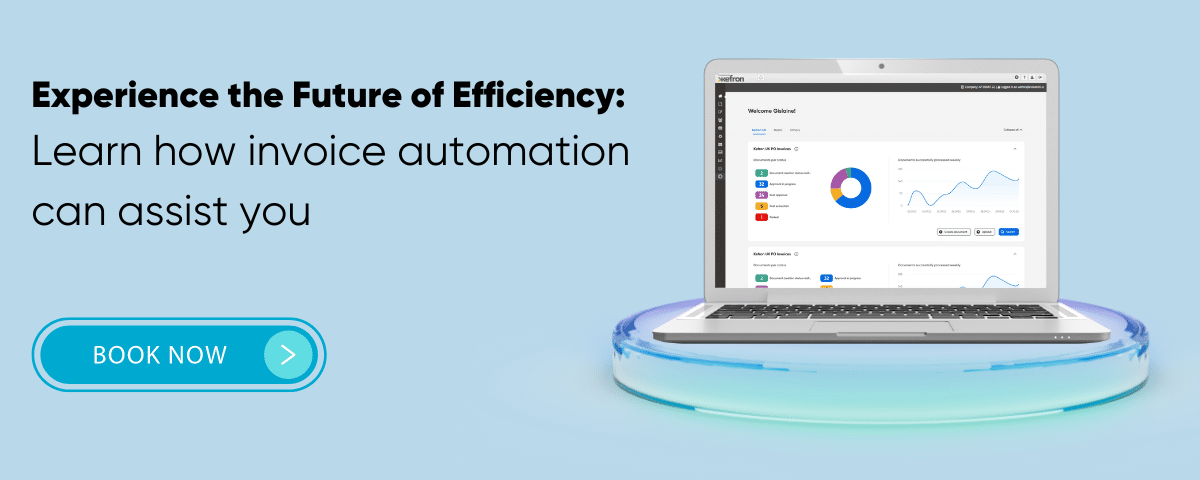
Streamlining Invoice Processing with Supplier Portals
Supplier portals streamline invoice processing by allowing suppliers to submit invoices directly through the portal. This reduces the likelihood of lost or misplaced invoices and speeds up the processing time. The portal can also provide automated notifications and reminders for suppliers, ensuring that all invoices are submitted and processed in a timely manner. This level of automation and efficiency is critical for maintaining smooth operations and healthy supplier relationships.
Reducing Processing Times
Reducing processing times is one of the primary benefits of a supplier portal. Traditional invoice processing methods often involve multiple steps and manual interventions, leading to delays. With a supplier portal, the entire process is automated, from invoice submission to payment. This not only speeds up the payment process but also reduces the workload on the accounts payable team. Suppliers benefit from faster payments, which improves their cash flow and overall satisfaction.
Minimising Errors and Enhancing Data Accuracy
Minimising errors and enhancing data accuracy are other significant advantages of using a supplier portal. Manual data entry is prone to mistakes, which can lead to payment delays and discrepancies. A supplier portal eliminates this risk by capturing invoice data directly from the source. This ensures that the information is accurate and up-to-date, reducing the likelihood of errors. Additionally, automated validation checks can be implemented to ensure that all required information is provided and correct, further enhancing data accuracy.
Enhancing Data Accuracy and Operational Efficiency
One of the key advantages of using a supplier portal is the improvement in data accuracy. Manual data entry is prone to errors, but with a supplier portal, data is captured directly from the source, reducing the risk of inaccuracies. This leads to more accurate financial reporting and better decision-making. Additionally, operational efficiency is enhanced as the automation of routine tasks frees up staff to focus on more strategic activities.
Automating data entry and validation processes is crucial for maintaining data accuracy. A supplier portal can automatically capture and validate invoice data, ensuring that all required information is provided and correct. This reduces the likelihood of errors and discrepancies, leading to more accurate financial records. Automated systems can also flag any missing or incorrect information, allowing for quick resolution before the invoice is processed. This level of automation not only improves data accuracy but also speeds up the invoicing process.
Integration with existing systems is another critical factor in enhancing operational efficiency. A supplier portal can be seamlessly integrated with a company’s existing accounts payable and ERP systems, allowing for smooth data transfer and processing. This eliminates the need for manual data entry and reduces the risk of errors. Additionally, real-time data analytics can be used to monitor and optimise the invoicing process, providing valuable insights into areas for improvement. This level of integration and analytics enhances overall operational efficiency and effectiveness.
Improving Cash Flow Management with Supplier Portals
Effective cash flow management is essential for any business, and a supplier portal can play a significant role in this area. By automating the invoicing process and ensuring timely payments, businesses can better manage their cash flow. The portal provides real-time insights into payment statuses, helping businesses plan their finances more effectively. This improved cash flow management can lead to more stable and predictable financial performance.
Real-time insights into payment statuses are one of the key benefits of a supplier portal. Businesses can easily track the status of all supplier invoices, from submission to payment. This level of visibility allows for better cash flow planning and forecasting, as businesses can anticipate when payments will be made and adjust their finances accordingly. Additionally, real-time insights help to identify any potential issues or delays in the payment process, allowing for quick resolution and ensuring that payments are made on time.
Planning and forecasting financial performance is made easier with a supplier portal. The portal provides detailed insights into payment statuses and cash flow, allowing businesses to plan their finances more effectively. By having a clear view of when payments will be made, businesses can make informed decisions about their spending and investments. This level of financial planning and forecasting helps to ensure more stable and predictable financial performance, reducing the risk of cash flow problems and financial instability.
Strengthening Fraud Protection and Security
Implementing fraud protection measures is essential for ensuring the security of supplier transactions. A supplier portal can incorporate various fraud protection measures, such as multi-factor authentication, encryption, and secure payment gateways. These measures help to ensure that all transactions are secure and authenticated, reducing the risk of fraud and financial losses. Additionally, automated systems can detect and flag any suspicious activity, allowing for quick resolution and preventing further damage.
Ensuring secure transactions is a top priority for any business. A supplier portal can provide a secure platform for managing supplier invoices and payments, incorporating various security measures to protect sensitive information. This includes encryption of data, secure access controls, and regular security audits to identify and address potential vulnerabilities. By ensuring that all transactions are secure, businesses can protect themselves from fraud and financial losses, while also building trust with their suppliers.
Benefits of Supplier Portals for AP Automation
Supplier portals offer numerous benefits for AP automation, including cost savings and a positive return on investment (ROI). By automating the invoicing process, businesses can reduce the time and resources spent on manual processing, leading to significant cost savings. Additionally, supplier portals can help to minimise errors and discrepancies, reducing the risk of costly mistakes. The ROI of implementing a supplier portal can be measured in terms of increased efficiency, reduced costs, and improved supplier relationships.
Scalability and flexibility are other key benefits of supplier portals. These systems can easily be scaled to accommodate the needs of businesses of all sizes, from small SMEs to large enterprises. This flexibility allows businesses to grow and adapt their supplier management processes as their needs change. Additionally, supplier portals can be customised to meet the specific requirements of different industries, ensuring that they provide the most effective solution for each business.
Enhanced supplier collaboration is another significant advantage of supplier portals. By providing a transparent and efficient platform for managing supplier invoices and payments, businesses can foster better collaboration and communication with their suppliers. This can lead to stronger supplier relationships, improved negotiation power, and better terms and conditions. Additionally, enhanced collaboration can help to identify and resolve any issues more quickly, leading to smoother operations and increased satisfaction for both parties.
Future Trends in Supplier Portal Technology
The integration of AI and machine learning is one of the most exciting trends in supplier portal technology. These advanced technologies can be used to automate and optimise various aspects of the invoicing process, from data capture and validation to fraud detection and risk management. AI and machine learning can also provide valuable insights into supplier behaviour and trends, helping businesses to make more informed decisions and improve their supplier management strategies.
Predictive analytics is also becoming increasingly important in supplier portal technology. By analysing historical data and identifying patterns, predictive analytics can help businesses to anticipate and address potential issues before they arise. This can lead to more proactive and effective supplier management, reducing the risk of disruptions and ensuring that all invoices and payments are processed smoothly and efficiently. Predictive analytics can also provide valuable insights into supplier performance and trends, helping businesses to optimise their supplier relationships and improve their overall operations.
Final Thoughts
Investing in a smart AP automation solution with a supplier portal is essential for businesses looking to enhance their supplier management processes. This technology not only streamlines invoice processing and improves data accuracy but also strengthens supplier relationships and enhances overall operational efficiency. By adopting these advanced solutions, businesses can ensure timely payments, maintain regulatory compliance, and ultimately achieve greater financial stability. The future of supplier portal technology looks promising, with emerging trends such as AI, blockchain, and predictive analytics set to further revolutionise the industry.