How do you measure the success of your AP team? Understanding key performance indicators (KPIs) is crucial for any business. Key KPIs for accounts payable include the cost per invoice, average time to payment, payment error rate, and percentage of electronic payments. These metrics help businesses evaluate the efficiency, accuracy, and effectiveness of their AP processes, providing insights that drive continuous improvement and financial health.
Why Automated Reporting Matters
In today’s fast-paced business environment, having access to real-time data can be a game-changer. Automated reporting not only saves time but also ensures greater accuracy, enabling businesses to make informed decisions swiftly.
In today’s fast-paced business environment, real-time invoice performance monitoring has become crucial for maintaining financial accuracy and operational efficiency. By leveraging automated reporting systems, businesses can gain immediate insights into their accounts payable processes, identifying bottlenecks and discrepancies as they occur. This real-time visibility allows finance teams to respond swiftly to issues, ensuring that payments are processed accurately and on time.
Additionally, real-time monitoring provides a comprehensive view of invoice performance metrics, such as processing times, approval durations, and payment statuses. This continuous oversight not only enhances decision-making but also fosters accountability and transparency within the finance department. Companies can track their financial health more effectively, reduce the risk of late payments, and optimize their cash flow management through timely interventions and adjustments.
Benefits of Automated Reporting for Invoice Management
Automated reporting systems offer numerous benefits for invoice management, significantly improving efficiency and accuracy. One of the primary advantages is the reduction of manual data entry, which minimizes human errors and accelerates the processing of invoices. This streamlined approach ensures that invoices are handled promptly, reducing the risk of late payments and enhancing vendor relationships.
Moreover, automated reporting provides detailed and customisable reports that can be tailored to meet specific business needs. These reports offer insights into spending patterns, approval workflows, and payment cycles, enabling businesses to identify areas for cost savings and process improvements. By leveraging these insights, companies can implement strategic changes that enhance overall financial management and drive operational efficiency.
Challenges in Traditional Reporting Methods
Traditional reporting methods for invoice management often involve labor-intensive processes that are prone to errors and inefficiencies. Manual data entry and paper-based systems can lead to significant delays, as invoices may get misplaced or overlooked. Additionally, the lack of real-time data makes it difficult for finance teams to track the status of invoices and payments accurately.
These challenges are compounded by the time-consuming nature of generating reports manually. Compiling data from various sources and ensuring its accuracy can be a tedious process, leading to outdated or incomplete information. This lack of timely and accurate data hinders effective decision-making and can result in missed opportunities for cost savings and process improvements.
How Automated Reporting Works
Data Collection and Integration
Automated reporting systems for invoice management begin with robust data collection and integration processes. These systems capture invoice data from various sources, including emails, scanned documents, and electronic invoicing platforms. Advanced technologies are used to extract relevant information from these invoices, ensuring accuracy and completeness.
Once the data is captured, it is integrated into the company’s finance system, creating a centralized repository of invoice information. This seamless integration ensures that all invoice data is readily accessible for analysis and reporting. It also allows for real-time updates, ensuring that finance teams have the most current information at their fingertips for better decision-making and process optimization.
Real-Time Analysis and Visualisation
One of the core functionalities of automated reporting systems is real-time analysis and visualization of invoice data. These systems use advanced algorithms and analytics tools to process the collected data, providing immediate insights into invoice performance. Key performance indicators (KPIs) such as invoice processing time, approval rates, and payment statuses are continuously monitored and displayed through intuitive dashboards.
These visualisations help finance teams to quickly identify trends, anomalies, and areas requiring attention. Real-time analysis not only enhances the accuracy of financial reporting but also enables proactive management of the accounts payable process. By visualizing data in real-time, businesses can make informed decisions that improve efficiency, reduce costs, and optimize cash flow management.
Automated Alerts and Notifications
Automated reporting systems also feature automated alerts and notifications to keep finance teams informed about critical events and exceptions in the invoice management process. These systems can be configured to send notifications for various scenarios, such as overdue invoices, pending approvals, or discrepancies detected during data validation.
These alerts ensure that issues are promptly addressed, minimizing the risk of delays and errors in the accounts payable process. By keeping all stakeholders informed in real-time, automated notifications enhance collaboration and accountability within the finance department. This proactive approach helps to maintain smooth operations and ensures that invoices are processed efficiently and accurately.
High-Performance Accounts Payable Dashboards
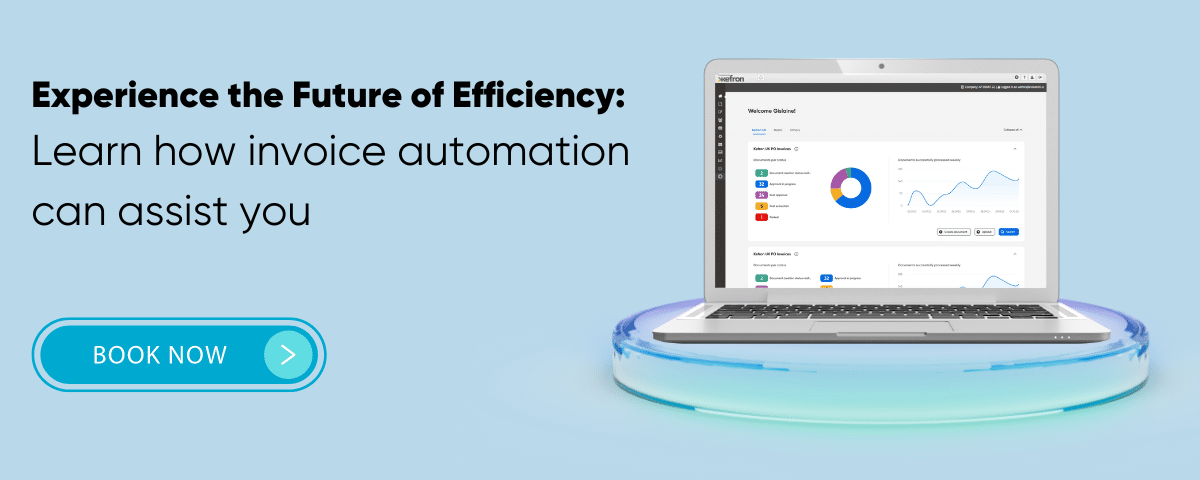
Automated reporting systems offer a range of high-performance dashboards designed to enhance accounts payable (AP) management. These dashboards provide real-time insights and analytics, enabling finance teams to monitor and optimise their processes effectively. By leveraging advanced technologies and user-friendly interfaces, these dashboards facilitate accurate data capture, efficient invoice processing, and improved financial control. They play a critical role in ensuring timely payments, reducing errors, and enhancing overall productivity within the finance department. Here’s an overview of key dashboards
-
AP Ageing Report
The Ageing Dashboard in automated reporting systems provides a detailed view of unpaid invoices categorised by value and the duration they have remained unpaid. This functionality allows finance teams to monitor overdue invoices effectively, prioritise payments, and manage cash flow more efficiently. By visualising ageing invoices, businesses can identify trends and take proactive measures to prevent overdue payments, ultimately improving supplier relationships and maintaining a healthy financial standing.
Additionally, the Ageing Dashboard helps in forecasting future payment obligations and identifying potential financial bottlenecks. It enables businesses to plan their finances more accurately by providing real-time insights into outstanding payables. This visibility is crucial for maintaining liquidity and ensuring that financial obligations are met promptly, thereby supporting the overall financial health of the organisation.
-
Extraction Analytics
The Extraction Analytics Dashboard focuses on the accuracy and efficiency of data capture from invoices. Utilising advanced technologies like Optical Character Recognition (OCR), this dashboard highlights exceptions and discrepancies in invoice data, allowing finance teams to address issues promptly. By monitoring the performance of data extraction processes, businesses can enhance the accuracy of their invoice processing and reduce the time spent on manual data entry.
This dashboard also provides insights into recurring issues with specific suppliers or invoice types, enabling businesses to streamline their data capture processes further. By identifying and addressing these issues, companies can improve the overall efficiency of their accounts payable operations and reduce the risk of errors in financial reporting.
-
ROI Monitor
The ROI Monitor Dashboard provides a comprehensive analysis of the return on investment for the automated reporting system. It tracks metrics such as the number of duplicate invoices prevented, the reduction in manual data entry hours, and the overall cost savings achieved through automation. This dashboard helps businesses quantify the financial benefits of their investment in automated reporting and demonstrates the value added to their accounts payable processes.
Furthermore, the ROI Monitor Dashboard aids in justifying the expenditure on automation by presenting clear and tangible benefits. It supports strategic decision-making by providing detailed insights into the financial impact of automation, enabling businesses to make informed choices about future investments in technology and process improvements.
-
User Productivity
The User Productivity Dashboard evaluates the performance and efficiency of the accounts payable team. It tracks key metrics such as the number of invoices processed per user, the average time taken for approvals, and the overall workflow efficiency. This dashboard helps identify areas where team members excel and where additional training or resources may be needed to enhance productivity.
By providing insights into user performance, the User Productivity Dashboard enables businesses to optimise their accounts payable operations and ensure that all team members are contributing effectively to the process. This focus on productivity helps to streamline operations, reduce processing times, and improve the overall efficiency of the finance department.
-
Received vs Processed
The Received vs Processed Dashboard provides real-time insights into the volume of invoices received and successfully processed within a given period. This dashboard helps businesses track the efficiency of their invoice processing workflows and identify any delays or bottlenecks. By comparing the number of received invoices to those processed, finance teams can better manage their workload and ensure timely processing of all invoices.
This dashboard also supports capacity planning by highlighting peak periods of invoice receipt and processing. By understanding these patterns, businesses can allocate resources more effectively, ensuring that the accounts payable process runs smoothly and efficiently even during high-volume periods.
-
Verification & PO Matching
The Verification & PO Matching Dashboard focuses on the accuracy and efficiency of the purchase order (PO) matching process. It tracks the success rate of matching invoices to their corresponding POs and identifies any discrepancies or issues that need resolution. This dashboard helps finance teams ensure that all invoices are correctly matched to POs, reducing the risk of payment errors and improving overall financial control.
By providing insights into the PO matching process, this dashboard enables businesses to optimise their verification procedures and enhance the accuracy of their accounts payable operations. It also helps to identify top-performing suppliers and areas where improvements can be made, supporting continuous process improvement and efficiency in invoice management.
Implementing Automated Reporting in Invoice Management
Choosing the Right Automated Reporting Tool
Selecting the right automated reporting tool is crucial for the successful implementation of an automated reporting system in invoice management. Businesses need to evaluate their specific needs and choose a solution that offers comprehensive features, such as data capture, integration, real-time analysis, and customizable reporting. It’s essential to consider the scalability of the tool to ensure it can grow with the business.
Furthermore, the tool should be user-friendly and require minimal training for effective adoption. Integration capabilities with existing finance systems and other business applications are also critical factors to consider. A robust support and maintenance plan from the vendor can ensure smooth operation and address any issues that arise during implementation. Evaluating these factors will help businesses choose a tool that meets their requirements and supports their financial management goals.
Integration with Existing Systems
Integrating automated reporting systems with existing financial systems is a vital step in implementing automated reporting for invoice management. This integration ensures seamless data flow between the systems, eliminating the need for manual data entry and reducing the risk of errors. Compatibility with enterprise resource planning (ERP) systems and other financial software is essential for achieving a unified view of invoice data.
The integration process should be carefully planned and executed to minimize disruptions to ongoing operations. Businesses should work closely with their IT teams and the solution provider to map out data flow, set up interfaces, and conduct thorough testing. Ensuring that the automated reporting system can easily adapt to changes in the existing systems will enhance long-term efficiency and accuracy in invoice management.
Training and Adoption by Staff
Training and adoption by staff are critical components of successfully implementing an automated reporting system. Comprehensive training programs should be developed to familiarize employees with the new system, its functionalities, and its benefits. This training should be tailored to different user roles to ensure that all team members understand how to use the system effectively.
Ongoing support and resources should be provided to address any challenges that arise during the transition period. Encouraging staff to embrace the new technology through incentives and highlighting the time-saving and efficiency benefits can also facilitate smoother adoption. Successful implementation hinges on the willingness and ability of the staff to integrate the automated reporting system into their daily operations, making thorough training and support indispensable.
How AP Automation Enhances Automated Reporting
Streamlined Data Collection
Automated reporting systems heavily rely on accurate and timely data collection, and AP automation significantly enhances this aspect. By using technologies such as Optical Character Recognition (OCR) and machine learning, AP automation systems can capture invoice data from various formats, including paper, PDF, and electronic invoices, with high accuracy. This automated data capture reduces the time spent on manual data entry, minimises human errors, and ensures that all relevant data is collected and processed swiftly.
The integration of AP automation with existing financial systems ensures that data flows seamlessly from one system to another, creating a comprehensive and unified data repository. This streamlined data collection process is crucial for generating accurate and real-time reports, which form the backbone of effective decision-making and financial planning. Automated data capture also allows for the immediate validation of data, ensuring that only accurate and relevant information is used in reports.
Real-Time Data Availability
One of the most significant benefits of AP automation is the real-time availability of data. Traditional reporting methods often involve delays due to manual data entry and processing, which can result in outdated information being used for decision-making. AP automation eliminates these delays by providing instant access to up-to-date data. This real-time data availability ensures that finance teams have the most current information at their disposal, enabling them to make informed decisions quickly and accurately.
Real-time data also enhances the ability to monitor and manage cash flow effectively. Finance teams can track the status of invoices and payments as they occur, allowing for immediate intervention if issues arise. This proactive approach to financial management helps prevent late payments, reduces the risk of cash flow disruptions, and improves overall financial stability.
Enhanced Data Accuracy
Accuracy in financial reporting is paramount, and AP automation plays a crucial role in ensuring data accuracy. By automating the data capture and validation processes, AP automation reduces the risk of errors associated with manual data entry. The use of advanced technologies such as machine learning algorithms further enhances data accuracy by continuously improving the system’s ability to recognise and process invoice data correctly.
Accurate data is essential for generating reliable financial reports. With AP automation, businesses can trust that the data used in their reports is correct and comprehensive. This level of accuracy is critical for compliance with financial regulations and for maintaining the trust of stakeholders, including investors, auditors, and regulatory bodies.
Improved Efficiency and Productivity
AP automation significantly improves the efficiency and productivity of finance teams. By automating routine tasks such as data entry, invoice processing, and approval workflows, AP automation frees up time for finance professionals to focus on more strategic activities. This shift from manual, repetitive tasks to value-added activities enhances the overall productivity of the finance department.
The increased efficiency also extends to the reporting process. Automated reporting systems can generate complex reports in a fraction of the time it would take to compile them manually. This rapid report generation allows for more frequent and timely reporting, providing management with up-to-date insights into the financial health of the business. The ability to quickly produce and analyse reports supports agile decision-making and strategic planning.
Enhanced Compliance and Auditability
Compliance with financial regulations is a critical concern for businesses, and AP automation enhances compliance efforts by providing accurate and comprehensive data. Automated systems ensure that all financial transactions are recorded correctly and that reports are generated in accordance with regulatory requirements. This accuracy and consistency help businesses avoid compliance issues and potential fines.
AP automation also improves auditability by maintaining a detailed and easily accessible record of all financial transactions. Auditors can quickly access the necessary data and trace the steps of any transaction, ensuring transparency and accountability. This enhanced auditability not only simplifies the audit process but also strengthens the business’s internal controls and governance.
Final Thoughts on Automated Reporting
AP automation and automated reporting together create a powerful combination that transforms the accounts payable process. By enhancing data accuracy, providing real-time insights, and improving efficiency, these technologies enable businesses to manage their finances more effectively and strategically. The integration of AP automation with automated reporting systems ensures that finance teams have access to accurate, timely, and actionable data, supporting informed decision-making and driving business success.
In an increasingly competitive business environment, the ability to leverage advanced technologies for financial management is a significant advantage. Businesses that embrace AP automation and automated reporting can streamline their operations, reduce costs, and improve their financial performance. As these technologies continue to evolve, they will offer even greater capabilities and benefits, further enhancing the efficiency and effectiveness of accounts payable processes.
In conclusion, the adoption of AP automation and automated reporting is essential for businesses looking to stay ahead in today’s fast-paced financial landscape. By harnessing the power of these technologies, businesses can achieve greater transparency, accuracy, and efficiency in their financial operations, ultimately supporting their long-term growth and success.