Cashflow management is vital for every business, and automating accounts payable (AP) processes is key to optimizing it. This article explains how AP automation helps businesses improve cashflow by speeding up invoice processing, reducing errors, and providing real-time financial insights. Strong supplier relationships and early payment discounts further enhance cashflow management, making automation essential for long-term financial success.
Effective cashflow management is the backbone of any successful business. Without proper management of cash inflows and outflows, companies face the risk of falling into financial instability. Traditionally, managing accounts payable (AP) relied on manual processes, such as handling paper invoices and chasing after approvals. These outdated methods often slow down business operations, cause costly errors, and result in strained relationships with vendors and suppliers. In today’s fast-paced business environment, such inefficiencies are simply unsustainable.
Thankfully, the introduction of AP automation offers a powerful solution. By automating accounts payable processes, businesses can significantly improve their cashflow, enhance operational efficiency, and build stronger relationships with suppliers. AP automation not only speeds up the invoice processing cycle but also reduces manual tasks, minimizes errors, and offers real-time insights into the company’s financial health. For companies of all sizes, adopting AP automation is a crucial step toward optimizing cashflow management and ensuring long-term financial stability.
The Crucial Role of AP Automation in Cashflow Management
Cashflow management is all about ensuring that a business has enough liquidity to cover its operational costs, make timely payments, and invest in growth opportunities. However, managing cashflow effectively requires a delicate balance between receivables and payables. Many businesses struggle with this balance due to the inefficiencies of manual AP processes.
By implementing AP automation, businesses can solve many of the common cashflow problems they face. Automation enables businesses to process invoices faster, ensuring that payments are made on time, thus preventing late fees and penalties. Timely payments also allow companies to maintain good relationships with their suppliers, who may offer favourable payment terms or early payment discounts. These discounts, in turn, can improve cashflow by reducing expenses.
Why AP Automation Is a Must-Have for Businesses
AP automation is not just about speeding up invoice processing; it plays a fundamental role in improving a company’s overall financial health. Here are several reasons why every business should prioritize AP automation as part of their cashflow management strategy:
- Elimination of Manual Errors: Human errors are inevitable when managing accounts payable manually. Whether it’s incorrect data entry, missed payments, or duplicate invoices, these mistakes can disrupt your cashflow management. AP automation eliminates these errors by digitizing the entire process, ensuring accuracy and consistency.
- Faster Invoice Processing: Traditional invoice processing can take weeks, especially when multiple approvals are needed. This can delay payments to suppliers, hurting cashflow and relationships. With AP automation, invoice processing time can be reduced from 20 days to as little as 8 days or less, helping businesses to pay their bills on time and avoid late fees.
- Real-Time Financial Insights: One of the most significant advantages of AP automation is the ability to access real-time data on your company’s financial status. By providing dashboards and reports, automation tools allow businesses to monitor cash inflows and outflows at any given time. This visibility enables more informed financial decisions, as businesses can identify spending trends, optimize their payment schedules, and spot potential cashflow issues before they escalate.
- Improved Supplier Relationships: Timely payments not only avoid penalties but also strengthen your relationships with suppliers. Vendors are more likely to offer better payment terms and discounts to businesses that pay consistently and on time. AP automation helps maintain this reliability, ensuring that your company enjoys the benefits of early payment discounts, further improving your cashflow.
Enhancing Workforce Productivity with AP Automation
Manual accounts payable processes are labor-intensive and time-consuming. Employees tasked with managing invoices, approvals, and payments often spend countless hours on data entry, document management, and error correction. Not only is this inefficient, but it also diverts attention from higher-value work that could contribute to the company’s growth.
By adopting AP automation, businesses can optimize their workforce. Automated systems handle repetitive tasks, such as invoice scanning, data entry, and routing for approvals, freeing up valuable employee time. This allows your team to focus on more strategic tasks, such as financial planning, supplier negotiations, and budget management. In this way, AP automation not only improves cashflow management but also enhances overall productivity and operational efficiency.
Leveraging Early Payment Discounts to Boost Cashflow
One of the key benefits of AP automation is the ability to take advantage of early payment discounts. Many suppliers offer discounts to businesses that pay their invoices ahead of the due date. These discounts can range from 1% to 5%, or even higher, depending on the terms.
However, manual processing often delays payments, preventing businesses from capitalizing on these savings. AP automation ensures that invoices are processed quickly, allowing companies to make payments early and secure these discounts. By keeping more money within the business, these savings contribute to healthier cashflow and stronger financial performance.
Real-Time Visibility into Cashflow with AP Automation
One of the biggest challenges in cashflow management is maintaining visibility into where your money is going and when payments are due. Manual AP systems provide limited visibility, often requiring employees to sift through paper documents or spreadsheets to track cashflow.
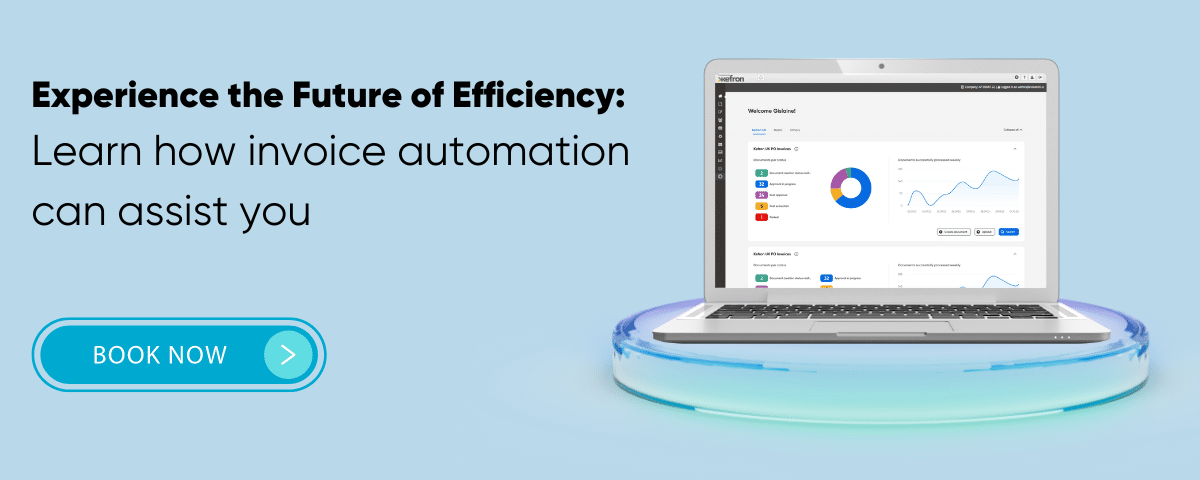
With AP automation, businesses can access real-time dashboards that offer a clear, up-to-date view of their financial status. These tools provide insights into pending invoices, payments due, and overall spending trends. Businesses can quickly identify potential cashflow bottlenecks, such as delayed payments or overdue invoices, and take action to address them before they cause financial disruptions.
Furthermore, real-time reporting helps businesses analyze spending patterns, enabling them to make smarter budgeting decisions. By understanding where the money is being spent and identifying opportunities to cut costs, companies can optimize their cashflow management and improve profitability.
Industry-Specific Benefits of AP Automation
AP automation offers distinct advantages for various industries, making it a versatile solution for improving cashflow management across different sectors.
- Construction: The construction industry involves managing a large number of suppliers and contractors, making accurate invoice processing critical. AP automation helps speed up payments, reduce errors, and take advantage of early payment discounts, all of which improve cashflow and operational efficiency.
- E-Commerce: In the fast-paced world of e-commerce, companies deal with high transaction volumes. AP automation helps streamline payment processes, ensuring timely payments to suppliers, which in turn leads to faster order fulfillment and improved supplier relationships.
- Healthcare: Healthcare providers often deal with complex invoicing for medical supplies and services. AP automation ensures that invoices are processed accurately and in compliance with regulations, which helps maintain cashflow and allows funds to be redirected to patient care.
Key Features of Effective AP Automation Solutions
To maximize the benefits of AP automation for cashflow management, businesses should choose solutions that offer the following key features:
To optimize cashflow management and streamline operations, an effective AP automation system must offer a range of robust features. Below are the key functionalities that businesses should prioritize when selecting a comprehensive AP invoice automation solution.
- Intelligent Document Recognition
Modern AP automation solutions incorporate advanced intelligent document recognition technology to accurately capture and digitize invoices, whether they are received via email, scanned paper copies, or uploaded electronically. This ensures that all invoice data is recorded correctly, reducing manual entry and minimizing errors. By automating data extraction, businesses can process invoices faster, contributing to smoother cashflow management.
- PO & Non-PO Invoice Processing
Handling both purchase order (PO) and non-PO invoice processing efficiently is crucial for maintaining financial accuracy. The ability to process different types of invoices, including those that do not have a corresponding purchase order, ensures comprehensive coverage of all transaction types. This capability allows businesses to manage vendor payments accurately and improves overall AP automation performance by reducing discrepancies in cashflow.
- Automated Three-Way Matching
One of the standout features of advanced AP automation solutions is automated three-way matching. This feature automatically compares the invoice with the corresponding purchase order and goods receipt to verify accuracy before payment approval. This process significantly reduces the risk of fraud and payment errors, ensuring that businesses maintain cashflow management accuracy by only paying for goods and services that have been correctly delivered.
- Customisable Invoice Approval Workflow
Customisable approval workflows are a critical component of any AP automation system. By allowing users to create bespoke workflows that align with their unique business processes, companies can ensure that the right individuals approve invoices at the right time. This level of customization enhances governance and internal control, improving the overall efficiency of cashflow management and ensuring that payments are made promptly without unnecessary delays.
- Real-Time Invoice Tracking
Real-time invoice tracking provides finance teams with complete visibility into where each invoice stands in the processing pipeline. This feature ensures transparency, allowing businesses to monitor invoice statuses and identify bottlenecks that could delay payments. With real-time tracking, businesses can improve accountability, ensuring that their cashflow is not negatively impacted by missed payments or delayed approvals.
- Seamless ERP Integration
For an AP automation solution to be effective, it must offer seamless integration with existing ERP systems. This integration enables synchronized data flow between the automation platform and the company’s enterprise resource planning (ERP) system, ensuring that all financial data is accurate and up to date. This feature reduces manual data entry, eliminates duplication of effort, and improves overall cashflow management by maintaining accurate records.
- Intelligent Invoice Classification
The intelligent invoice classification feature automatically categorizes invoices based on predefined criteria, ensuring that they are routed to the correct workflow or approval chain. This improves processing efficiency by reducing the time spent manually sorting invoices, while also minimizing the risk of errors. By automating invoice classification, businesses can speed up payment cycles, further enhancing cashflow management.
- Configurable Business Rules
To ensure that invoices meet specific processing requirements, many AP automation solutions include configurable business rules. These rules allow finance teams to set parameters for invoice approvals, such as spending limits, approval hierarchies, and compliance checks. This customization ensures that invoices adhere to company policies, reducing the risk of unauthorized payments and enhancing control over cashflow management.
Streamlined Global Operations with e-Invoicing
For multinational organisations, managing global accounts payable can be challenging. AP automation addresses this by offering streamlined global operations through e-invoicing. This feature centralizes and simplifies the processing of invoices from various locations, allowing finance teams to manage global operations from a single platform. By consolidating and automating international payments, businesses can optimize cashflow and reduce the complexity of cross-border transactions.
Choosing the Right AP Automation Solution for Your Business
Selecting the right AP automation solution is essential to improving cashflow management. Businesses should consider factors such as integration with existing systems, scalability, user-friendliness, and the level of customer support offered by the provider. A scalable solution that grows with your business will help you manage increased transaction volumes without requiring a complete overhaul of your AP system.
Conclusion
In conclusion, AP automation is a game changer for businesses looking to optimize cashflow management. By automating repetitive tasks, reducing processing times, and offering real-time insights into financial data, businesses can enhance their overall operational efficiency. Whether you are in construction, e-commerce, or healthcare, adopting a robust AP automation solution will enable you to improve vendor relationships, secure early payment discounts, and make smarter financial decisions.
The transition to AP automation not only improves cashflow but also strengthens the company’s financial health, ensuring long-term success and sustainability in a competitive marketplace. Take the step towards automating your AP processes today and unlock the full potential of your business.